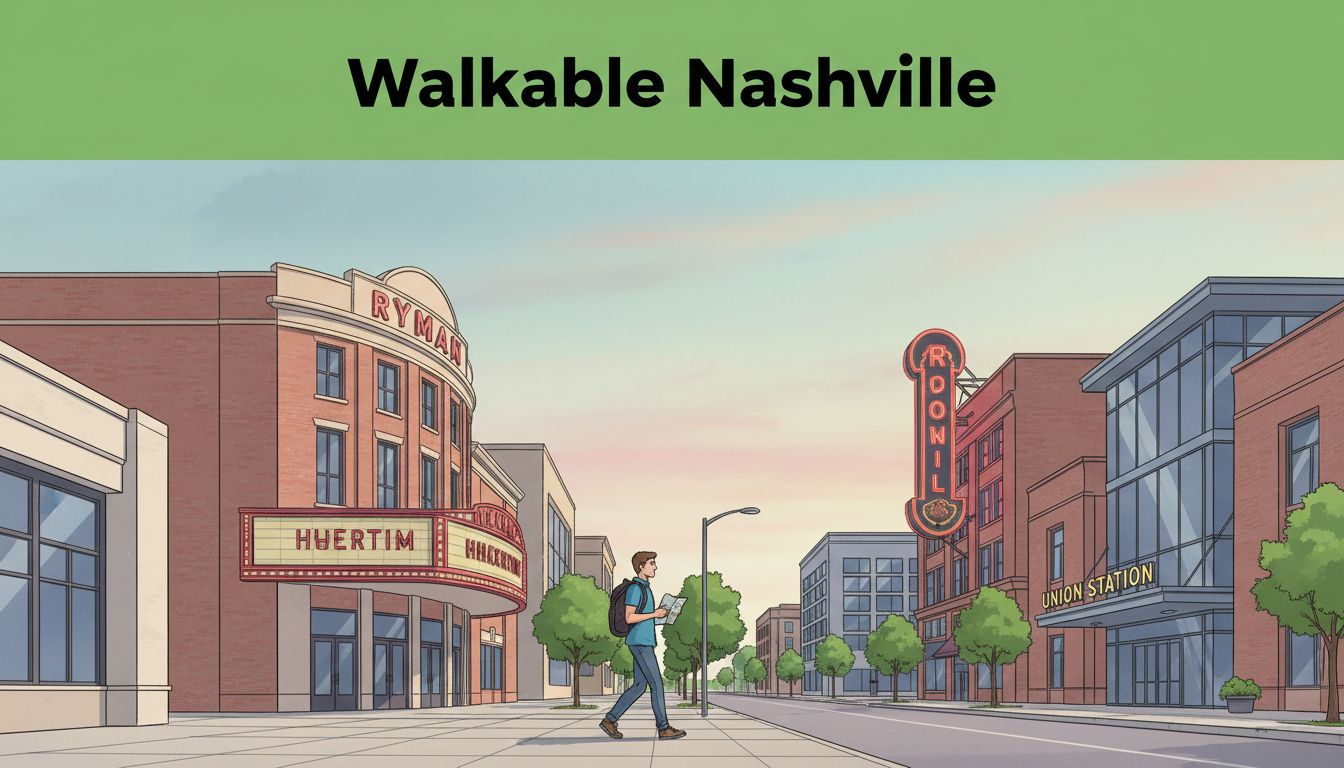
The best walkable areas Nashville travelers choose are clustered, not spread across the city. That matters because a hotel can look central on a map and still feel car-dependent after dark.
If you want to skip parking headaches, stay where meals, music, and basic stops sit within a few blocks. Nashville has added sidewalk and safety upgrades in 2026, but neighborhood choice still decides how much you can do on foot.
Quick comparison for busy trip planners
Use this first if you want the short version.
| Area | Best for | What you can walk to | Main tradeoff |
|---|---|---|---|
| Downtown and SoBro | First-time visitors, nightlife | Lower Broadway, the Ryman, Bridgestone Arena, the Country Music Hall of Fame | Loud, busy, and less relaxing at night |
| The Gulch | Stylish stays, food, murals | Coffee shops, restaurants, Union Station, mural stops, downtown edge | Expensive and compact |
| Germantown | Quieter trips, dining | Farmers market, Bicentennial Mall, museums, local restaurants | Farther from Broadway and late-night action |
| East Nashville | Local feel, cafes, parks | Five Points, Shelby Park, indie shops, bars, greenway access | Fewer hotels and some busy road crossings |
| 12 South | Boutique browsing, slow mornings | Shops, murals, bakeries, brunch spots, casual restaurants | Partly walkable, with rideshare needed for downtown |
Pick the neighborhood first, then choose the hotel. In Nashville, that order saves time.
Downtown and SoBro put you closest to the action
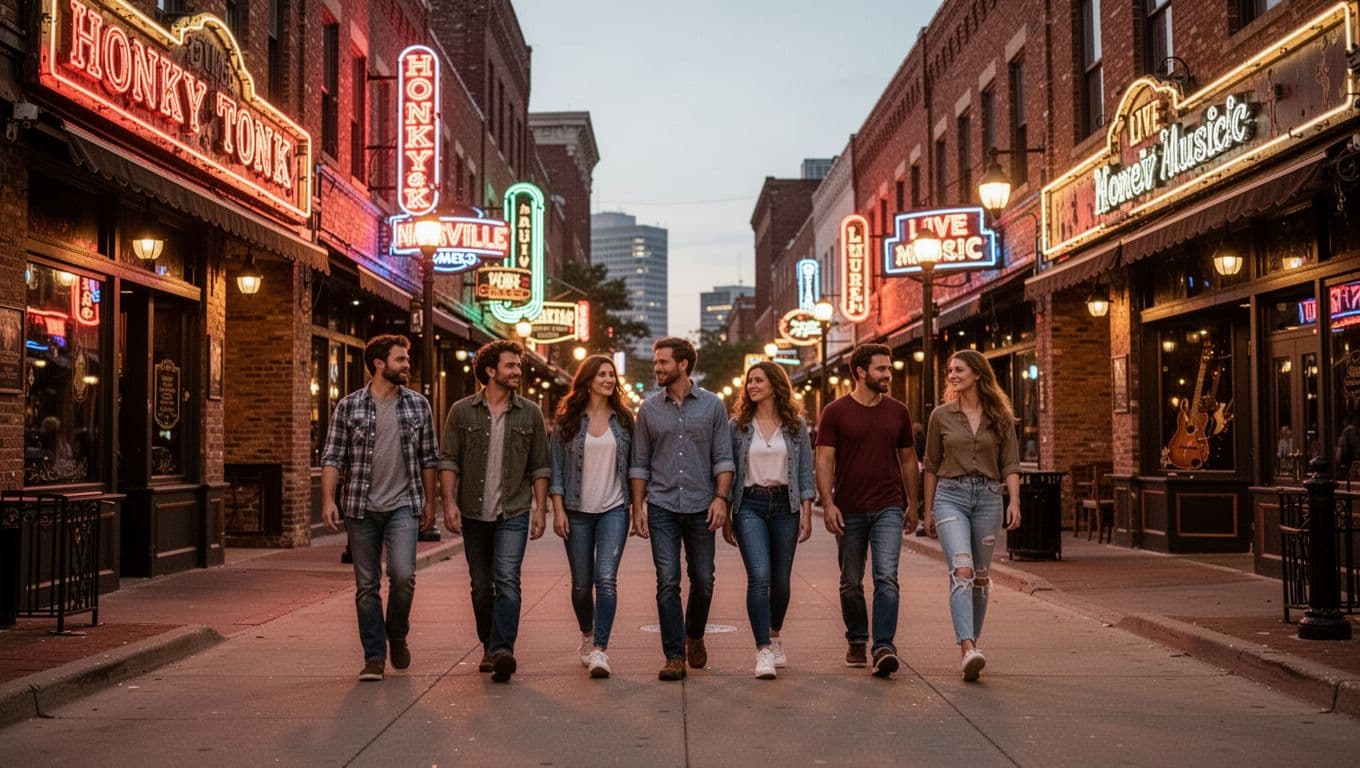
Downtown is the easiest answer if you want the shortest walks. You can move between Lower Broadway, the Ryman, Bridgestone Arena, Riverfront Park, and the Country Music Hall of Fame without much planning.
SoBro works well when you want that same access with more full-service hotels. It keeps you near the action, but usually a little south of the loudest blocks. For a block-by-block look, see this downtown Nashville walkability guide.
The tradeoff is obvious. Downtown gives you convenience, but it also gives you crowds, noise, and higher prices near the core. If you want quiet coffee shops and easy grocery runs, this is not the strongest fit. If your trip is built around shows, bars, and late dinners, it works.
The Gulch works when you want style and convenience
The Gulch is one of the best walkable areas in Nashville for travelers who want newer hotels and a polished feel. You can walk to coffee shops, rooftop bars, high-end restaurants, murals, Union Station, and some downtown edges.
That makes it a good middle ground. You get a more modern stay than downtown, but you still stay close to the main visitor zone. A current look at the area is in The Gulch neighborhood guide.
The downside is price. The Gulch is compact, and that helps walkability, but it also pushes hotel rates up. Some blocks feel more office-heavy during the day. At night, the area is still easy to manage on foot, although you may want rideshare for parts of downtown or Music Row.
Germantown gives you the calmest walkable base
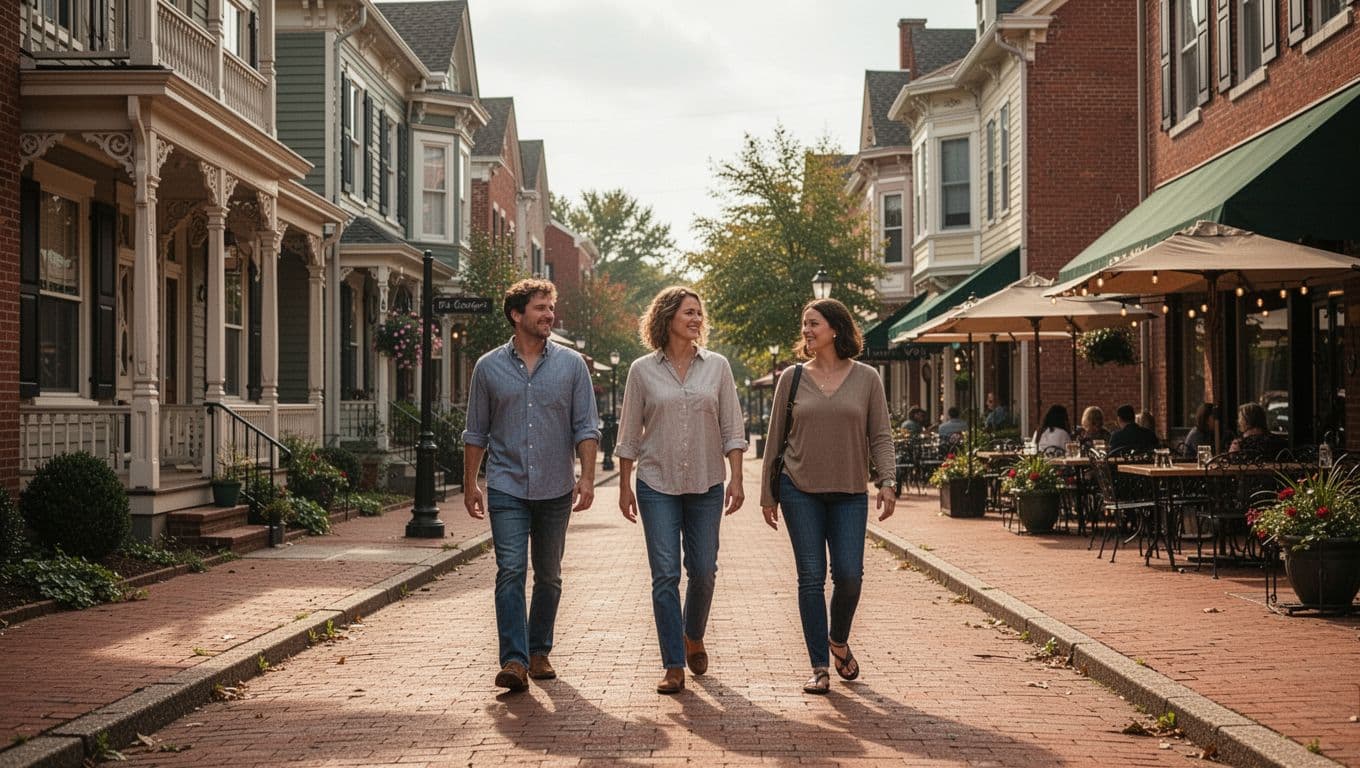
Germantown is the best fit if you want brick sidewalks, strong restaurants, and less noise. You can walk to the Nashville Farmers’ Market, Bicentennial Capitol Mall State Park, the Tennessee State Museum, coffee shops, and dinner spots.
That gives you a slower rhythm than Broadway or The Gulch. It also feels more residential, which helps if you want a quieter morning and a better night’s sleep. For a deeper local overview, use this Germantown neighborhood guide.
The catch is distance. Germantown is walkable inside the neighborhood, but it is not the best base for nonstop nightlife. You will likely use rideshare for 12 South, Music Row, or late-night Broadway plans. For many travelers, that is a fair trade. You get comfort first, then convenience.
East Nashville and 12 South fit travelers who want more local character
East Nashville and 12 South give you a different kind of walkability. You are not buying easy access to every tourist stop. You are buying a neighborhood feel with real everyday use.
East Nashville’s Five Points and East End
East Nashville is the strongest pick if you want cafes, vintage shops, bars, and park access. Five Points and East End are the blocks that make the area feel truly useful on foot. You can walk to brunch, indie retail, live music rooms, Shelby Park, and the Cumberland River Greenway.
If you want recent data on why locals rate this side of town so well, check Nashville’s walkability roundup. It shows why East End often comes up near the top.
The limitation is hotel supply. You will find fewer traditional hotels here, so the stay often leans toward vacation rentals or smaller properties. Also, some routes cross busier roads. That means East Nashville is best for visitors who want a neighborhood base, not a Broadway-first trip.
12 South’s boutique corridor
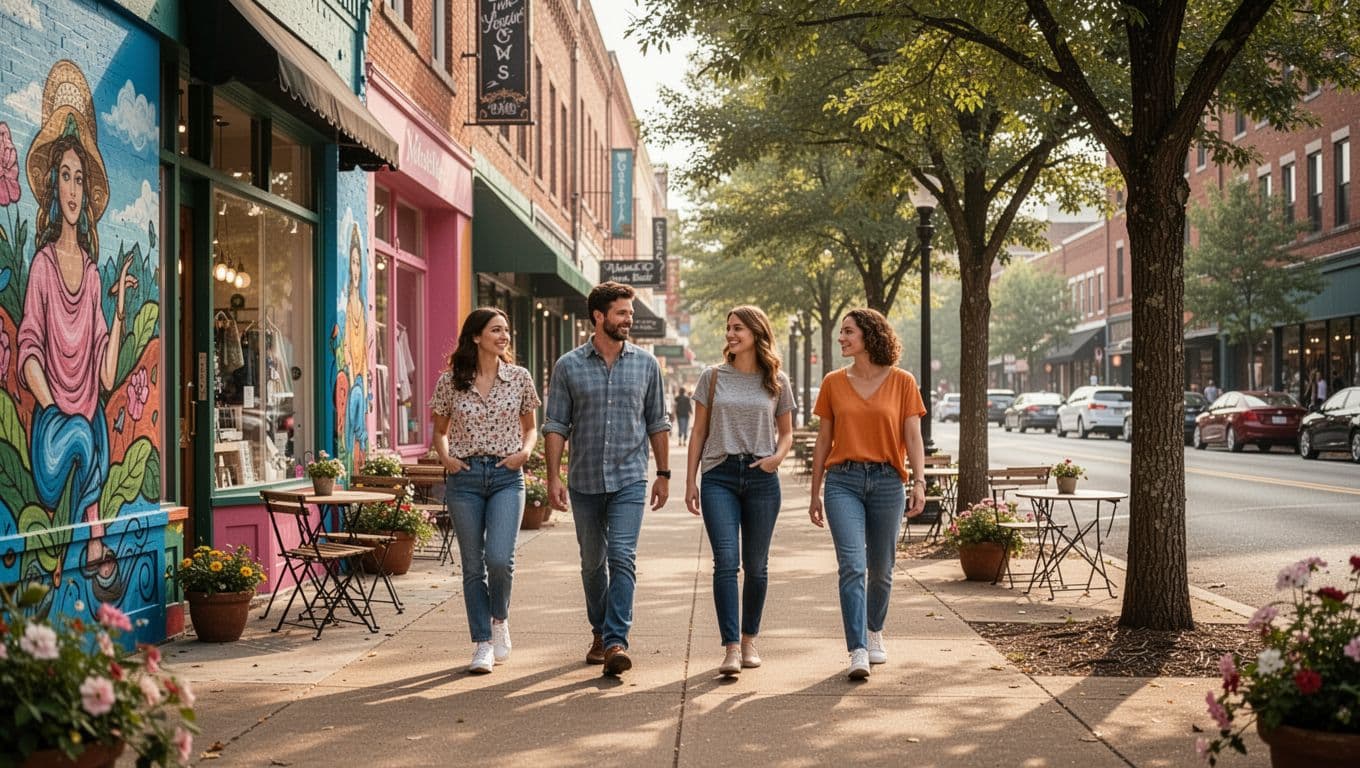
12 South is the best choice for slow, easy strolling. You can walk to boutiques, coffee shops, murals, bakeries, and casual restaurants. The area feels polished, and it works well for travelers who care more about neighborhood time than nonstop sightseeing.
For a local snapshot, see 12South neighborhood profile. If you want to stay right in the district, 12 South Hotel keeps you close to the strip.
The issue is that 12 South is only partly walkable. The main corridor is strong, but downtown and the stadium zone are better by rideshare. That makes it a good pick for shopping, brunch, and low-key evenings, not for a full no-car itinerary.
Pick the neighborhood that matches your pace
Downtown and SoBro give you the shortest walks. The Gulch and Germantown balance walkability with a calmer stay. East Nashville and 12 South give you more local character, but they ask for a little more planning.
If walkability is your top rule, stay close to the blocks you will use most. In Nashville, that one choice shapes the whole trip.