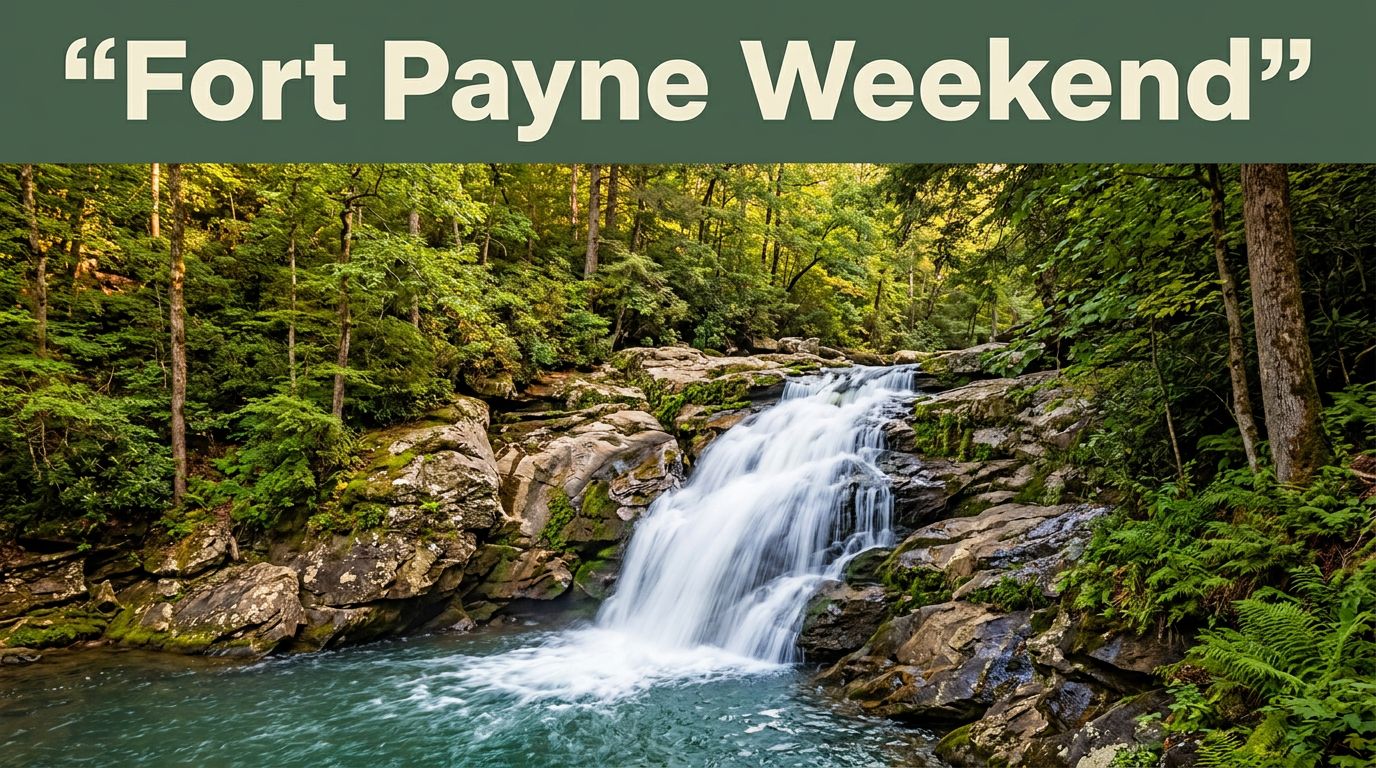
Fort Payne is a useful base for exploring DeKalb County, Alabama, especially if you want waterfalls, canyon overlooks, short hikes, and a few local history stops. If you’re searching for things to do Fort Payne visitors can fit into one weekend, start with Little River Canyon and build the rest of the trip around driving time and parking.
The outdoor sights are spread across Lookout Mountain. A car makes the trip much easier, and early starts matter on summer weekends. Here’s what to see, how long to allow, and which details you should confirm before leaving.
Plan Your Fort Payne Visit Around Drive Time
Fort Payne isn’t a compact city break where every attraction sits within a few blocks. The main outdoor stops use separate parking areas and access roads. Downtown Fort Payne works well for museums, food, and a short walk, but Little River Canyon and DeSoto State Park need their own time blocks.
| Stop | Practical Visit Time | Best For | Main Planning Point |
|---|---|---|---|
| Little River Falls | 1 to 2 hours | Waterfall views and photos | Arrive early on summer weekends |
| Little River Canyon Center | 45 to 90 minutes | Orientation and exhibits | Open Tuesday through Sunday, 10 a.m. to 4 p.m. |
| Canyon Mouth Park | 2 to 3 hours | Picnic and lower canyon access | Summer day-use fee and closing time apply |
| DeSoto State Park | 1 to 3 hours | Trails, scenery, and picnic areas | Trails and picnic areas are open dawn to dusk |
| Fort Payne Depot Museum | 30 to 60 minutes | Railroad and local history | Published hours can vary, so call first |
| Orbix Hot Glass | 30 to 60 minutes | Art and studio shopping | Confirm August Saturday hours |
Plan on driving between stops rather than relying on walking or local rides. The preserve is self-guided, with multiple overlooks and trailheads instead of one central attraction area.
If you need a convenient overnight base, compare these Fort Payne hotels before booking. A property near the highway is useful when you want to reach Little River Falls early.
Choose the Right Season
Spring and fall are the easiest seasons for hiking because temperatures are usually more comfortable. Summer gives you longer daylight, but heat, humidity, and weekend parking pressure can change the plan.
Winter can be quieter, although some facility schedules are shorter. Check official pages before every visit because park hours, fees, and access rules can change with weather, holidays, or seasonal operations.
Things to Do Fort Payne Visitors Can Plan Around Little River Canyon
Little River Canyon National Preserve is the main reason many travelers come to Fort Payne. It follows Little River along Lookout Mountain and includes overlooks, waterfalls, trails, picnic areas, and several separate access points.
The official Little River Canyon National Preserve information is the best place to check current conditions before your drive.
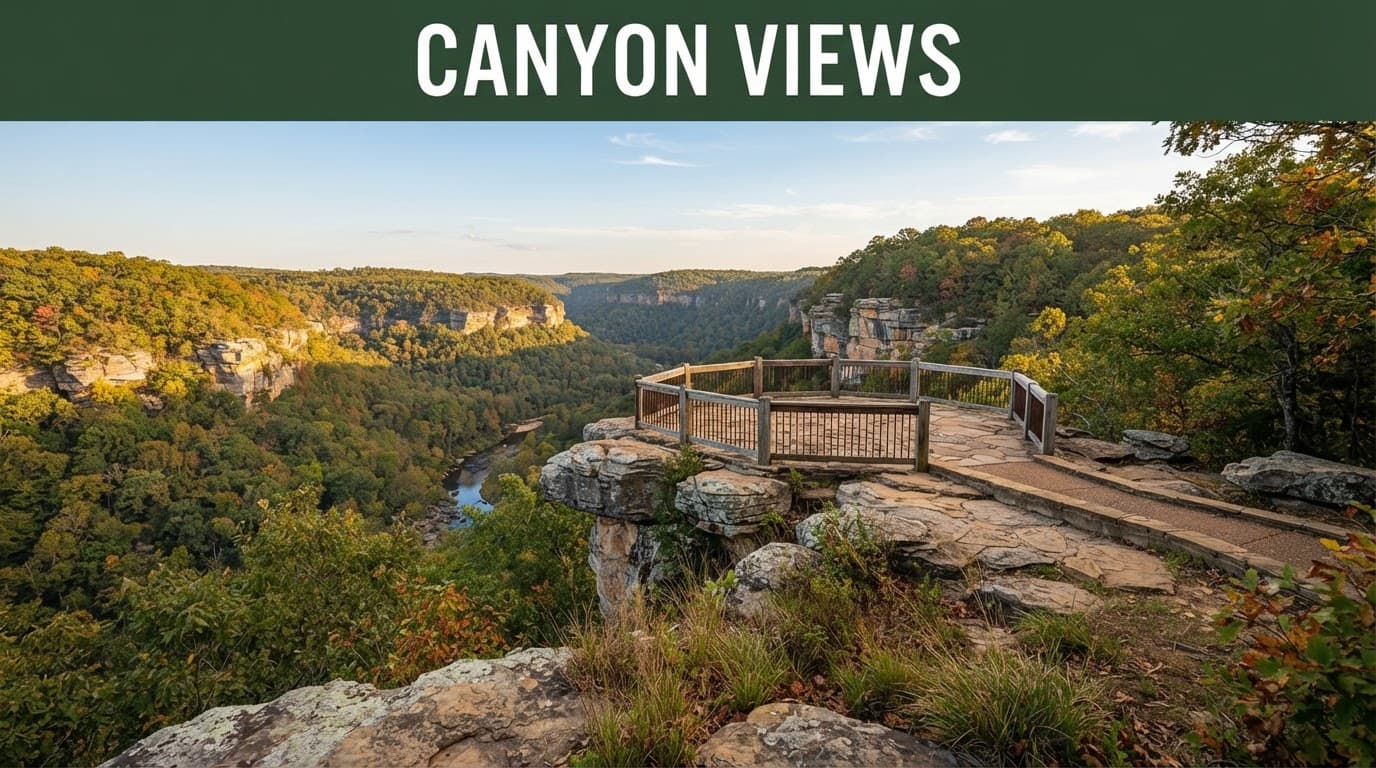
Start at the Little River Canyon Center
The Little River Canyon Center is at 4322 Little River Trail NE, Fort Payne. It is a practical first stop because you can get oriented before driving to the overlooks.
Current information lists the Center as open Tuesday through Sunday, 10 a.m. to 4 p.m., with no fee at the Center. Allow 45 to 90 minutes for exhibits, visitor information, and the park film.
The Little River Canyon Center visitor listing can help with basic location details, but check the National Park Service before relying on hours for a particular date.
Use the Rim Overlooks as Separate Stops
Don’t treat the preserve as one parking lot. Eberhart Point, Crow Point, Hawk’s Glide, Graces High Falls, Canyon View, and other access points each offer a different view or trail connection.
Most visitors should choose two or three overlooks instead of trying to stop everywhere. Allow 15 to 30 minutes at a simple viewpoint, then add more time for a trail or picnic.
Parking areas and backcountry roads close in darkness. The preserve defines that period as 30 minutes before sunrise through 30 minutes after sunset. Plan your return drive before the light fades.
Visit Little River Falls Before the Crowds
Little River Falls is one of the easiest high-value stops near Fort Payne. The waterfall is beside Highway 35 near the bridge at the Fort Payne and Gaylesville boundary. You don’t need a long hike to see it, which makes it suitable for families, older travelers, and anyone building a short sightseeing day.
Allow one to two hours if you want photos, the overlook, and a short walk. Add more time only if you plan to connect the stop with nearby trails.
Parking Is the Main Issue
The Little River Falls parking area holds about 100 vehicles and includes spaces for RVs, buses, and other large vehicles. That capacity sounds reasonable, but late spring and summer weekend demand can fill the lot by about 11 a.m.
Arrive early, especially on Saturday or Sunday. If the lot is full, overflow parking may be available at the Canyon Center, except on Mondays. Don’t park in restricted areas or leave your vehicle overnight. The falls parking area closes after dark.
The most common mistake is treating Little River Canyon as one single attraction. It is a driving route with separate access points and different parking limits.
Pick the Right Visit Length
For a quick stop, 30 to 45 minutes may be enough. Families with children, photographers, and travelers who want a slower morning should allow at least an hour.
The falls are an efficient first stop because you can see them before the Canyon Center opens. On a summer weekend, that order works better than arriving at the waterfall after breakfast and finding no space.
Use Canyon Mouth Park for Longer Canyon Time
Canyon Mouth Park is the better choice when you want to spend several hours near the lower part of the canyon. It suits travelers who prefer a picnic, river scenery, and a slower outdoor stop instead of moving between several rim overlooks.
The park follows seasonal operating hours. Current summer information lists daily hours of 8 a.m. to 7 p.m. The closing time matters because the gate and day-use area aren’t an all-night option.
Know the Fee and Payment Rules
Canyon Mouth Park charges $15 per vehicle for summer day use, with a listed $35 annual pass. The fee applies to Canyon Mouth day use, not every overlook in the preserve.
The payment machine accepts cash and cards. It doesn’t accept checks, won’t take bills larger than $20, and doesn’t provide change. Bring a smaller bill or use a card if possible.
The Fort Payne state and national parks guide is useful for broader local park context, but the National Park Service is the better source for current Canyon Mouth conditions.
Leave Room for Weather and Water Conditions
Plan two to three hours at Canyon Mouth Park if you want time for a picnic and unhurried scenery. Water levels, heat, and trail conditions can affect how long you stay.
Wear shoes with dependable traction. Keep children close to the water and follow posted warnings. The canyon environment can be uneven, and a short walk may still involve rocks, roots, or changing surfaces.
Explore DeSoto State Park and DeSoto Falls
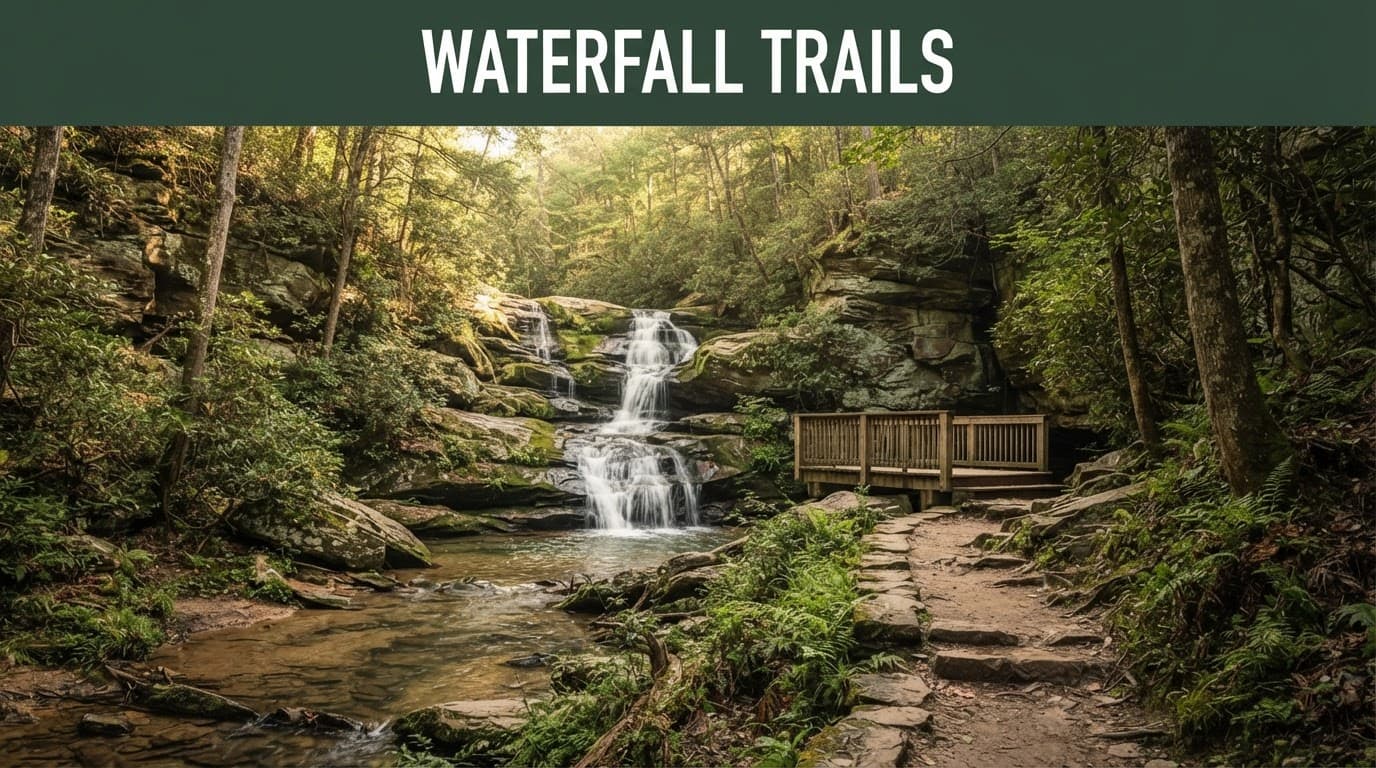
DeSoto State Park is northeast of central Fort Payne at 7104 DeSoto Parkway NE. It is a strong second-day choice because it combines forest trails, overlooks, picnic areas, and park facilities in one destination.
The official DeSoto State Park page has current information for facilities, reservations, and operating schedules.
Allow One to Three Hours for the Park
A quick trail and overlook visit can fit into about an hour. Give yourself two to three hours if you want to walk more than one route, stop for a picnic, or explore the lodge area.
Park trails and picnic areas are listed as open dawn to dusk. The Country Store and Information Center has separate operating hours, and camping check-in is handled through the park’s posted schedule.
If you’re camping, improved campsites can be reserved through the park. Call 1-800-760-4089 or 1-800-ALAPARK for current availability and check-in details. Don’t assume a site is available because the park appears quiet.
Treat DeSoto Falls as a Separate Check
DeSoto Falls is a worthwhile addition for waterfall travelers, but access details should be confirmed before you drive there. Current public information doesn’t provide one dependable summary of parking, fees, hours, and access conditions.
Use the park’s official waterfall information before setting out. If access is open, allow roughly 30 to 60 minutes for a viewing stop. Water flow and weather can affect the experience, especially after dry periods or heavy rain.
Do not build your whole schedule around an unconfirmed late-day waterfall stop. DeSoto State Park is the more dependable anchor because its trail and picnic-area hours are clearly published.
See Fort Payne’s History and Music Stops
Outdoor sights dominate the area, but downtown Fort Payne gives you a useful change of pace. It works best during the hottest part of the day or when rain makes canyon trails less appealing.
The downtown area is also a practical place to combine a museum visit with lunch, coffee, or a short walk.
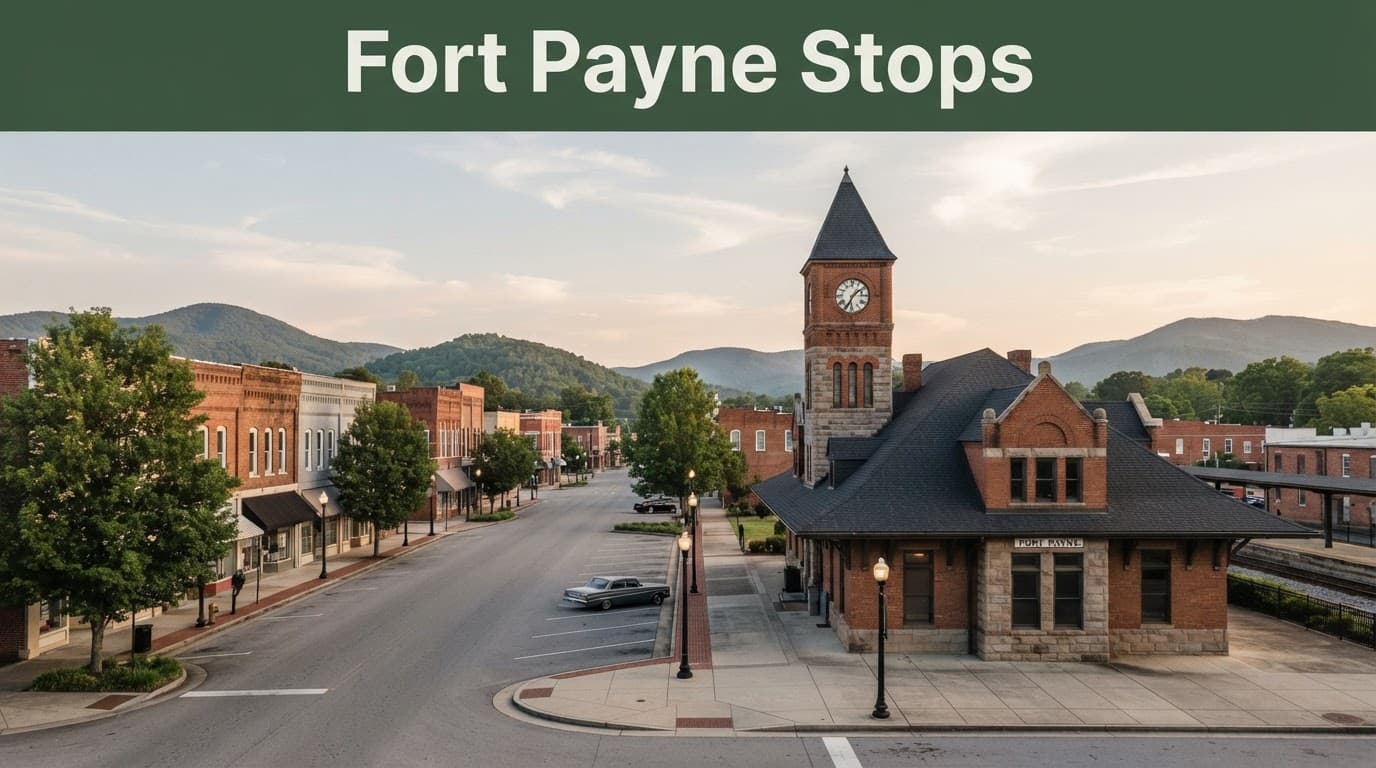
Visit the Fort Payne Depot Museum
The Fort Payne Depot Museum is at 105 5th Street NE. The restored railroad depot focuses on local history and transportation, making it a good short stop for families, train enthusiasts, and travelers who want context beyond scenery.
The City of Fort Payne’s museum information page lists free admission and hours of 10 a.m. to 4 p.m. Monday through Friday, noon to 3 p.m. Saturday, and 2 to 4 p.m. Sunday. Other public listings show different hours, so call 256-845-5714 before making it a fixed stop.
Allow 30 to 60 minutes. Groups of 25 or more should call during regular business hours about a tour.
Add a Short Downtown Walk
The city lists a walking park on 5th Street SW behind the Depot Museum. The Fort Payne city parks information is the right place to check current access details.
This is a short add-on, not a full afternoon attraction. Allow 20 to 30 minutes for a walk and photos, then continue to a meal or another indoor stop.
Country music fans may also consider the Alabama Fan Club and Museum. Current hours, admission, and parking details are not consistent enough to plan around without calling first. The same applies to Sallie Howard Memorial Baptist Church. Treat it as an exterior or brief photo stop unless public access is confirmed.
Add Orbix Hot Glass or a Mentone Stop
These stops work well when you want something besides waterfalls. They also require more careful timing because their schedules don’t match the state and national parks.
Choose Orbix for Art and Studio Shopping
Orbix Hot Glass is at 3869 County Road 275, Fort Payne, with a listed phone number of 256-523-3188. It suits travelers interested in glass art, studio work, and locally made pieces.
The posted schedule lists Tuesday through Friday hours of 9 a.m. to 4 p.m. It lists Saturday hours of 9 a.m. to 2 p.m. from January through July and 9 a.m. to 4 p.m. from September through December. Since August isn’t covered by those seasonal Saturday details, call before planning a Saturday visit.
Allow 30 to 60 minutes for the shop and studio setting. No current admission or reservation rule was confirmed, so don’t assume a demonstration or special visit is available without advance contact.
Use Mentone as a Slower Afternoon Stop
Mentone is a good fit for travelers who want a small-town break on Lookout Mountain. Plan one to two hours for browsing, a meal, or a scenic drive through the surrounding plateau area.
Town-wide hours don’t apply. Shops, restaurants, galleries, and seasonal businesses set their own schedules. Check each business directly before driving over, particularly on Sunday or outside the main travel season.
Mentone works best paired with DeSoto State Park. It is less practical to combine a long park hike, a full canyon day, and several town stops into one afternoon.
Build a Two-Day Weekend Itinerary
The most practical weekend plan puts the busiest waterfall parking first, then uses the second day for state park trails and town stops.
Saturday: Little River Canyon and Canyon Mouth
Arrive in Fort Payne early and go straight to Little River Falls. On a summer weekend, aim to reach the area well before 11 a.m. Spend 60 to 90 minutes at the waterfall and overlook.
Continue to the Little River Canyon Center when it opens at 10 a.m. Allow about an hour for orientation, exhibits, and the film. Afterward, choose two rim overlooks rather than trying to cover every access point.
Use the afternoon for Canyon Mouth Park if you want a picnic and lower canyon scenery. Budget two to three hours, remember the $15 vehicle fee, and leave before the 7 p.m. summer closing time.
Sunday: DeSoto State Park, Mentone, and Downtown
Start at DeSoto State Park for a morning trail or overlook visit. Give it two to three hours if hiking is a main reason for the trip. Trail and picnic-area access is listed from dawn to dusk.
Have lunch in Mentone if the businesses you want to visit confirm their Sunday hours. Return toward Fort Payne for the Depot Museum’s listed Sunday window of 2 to 4 p.m., but call first because published schedules conflict.
If Orbix Hot Glass is a priority, use it as a replacement for part of this plan on a day when its hours are confirmed. Don’t try to force Orbix, Mentone, DeSoto State Park, and the museum into a rushed final afternoon.
Conclusion
The strongest things to do Fort Payne travelers can plan with confidence are Little River Falls, Little River Canyon’s overlooks, Canyon Mouth Park, and DeSoto State Park. Those stops provide the area’s main scenery and can fill a weekend without unnecessary backtracking.
Add the Depot Museum for local history, Orbix for glass art, or Mentone for a slower town stop. Check hours, parking limits, fees, and reservations before leaving, especially in summer. Start early, keep your schedule flexible, and treat Fort Payne as a self-drive destination rather than a place to explore entirely on foot.