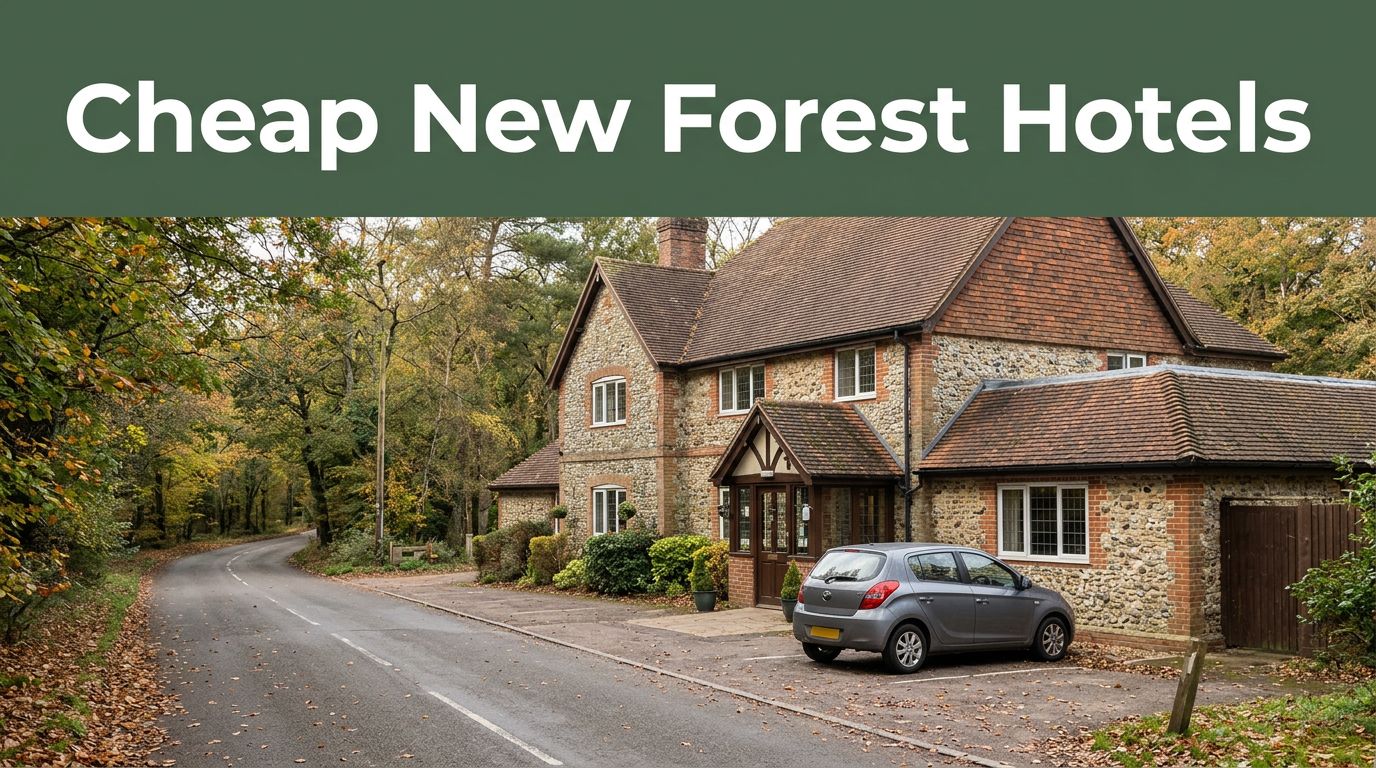
A low room rate can stop looking cheap once parking, breakfast, and long daily drives are added. Finding cheap New Forest hotels is less about chasing the first deal and more about choosing a base that fits how you plan to travel.
The Forest is spread out, popular villages fill up early, and transport options vary by season. A practical booking can leave more of your budget for walks, attractions, and meals.
Start by comparing the full trip cost, not only the number shown beside the room.
What Cheap New Forest Hotels Really Cost
The cheapest-looking room isn’t always the lowest-cost stay. A property a few miles outside the central villages may save money, but only if it doesn’t add daily parking charges, taxi fares, or extra fuel.
Cheap New Forest hotels are usually strongest when the location, room type, and travel plan all line up. That could mean a simple room near a station, a roadside hotel for drivers, or a guesthouse that includes breakfast.
The Nightly Rate Is Only the Start
Check what the rate includes before treating it as a deal. Breakfast, parking, pet charges, and flexible cancellation can change the final total.
A room-only rate can work well for couples who want an early start and prefer a bakery or cafe breakfast. For families, an included breakfast may be easier to budget for, especially when several people are travelling.
Don’t assume a hotel’s car park is free because the room is outside a major town. Check the property’s current parking policy, whether a space needs reserving, and if electric vehicle charging has separate terms.
Distance Can Erase a Room Saving
The New Forest isn’t a destination where every village is interchangeable. Staying near the place you plan to visit first can save time and reduce driving.
Lyndhurst, Brockenhurst, Lymington, Beaulieu, Burley, and Hythe all give a different trip. Use the New Forest National Park visitor guidance to check access rules, walking areas, and current visitor information before deciding where to sleep.
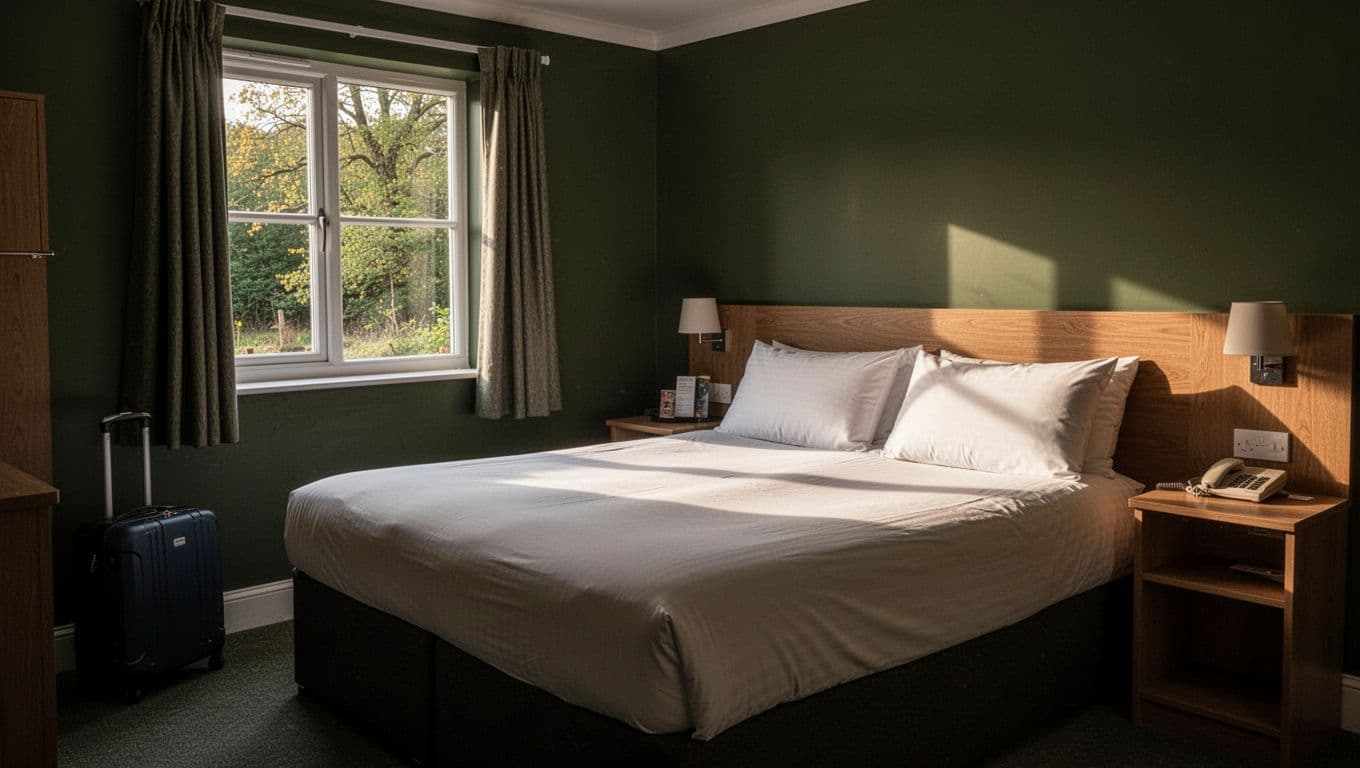
Where to Look for Cheap New Forest Hotels
The core Forest villages are convenient, but they aren’t the only places worth searching. Broaden the map before you book, particularly if you have a car or are arriving after a late flight.
These bases suit different kinds of budget trips:
| Base | Works Best For | Check Before Booking |
|---|---|---|
| Brockenhurst | Rail arrivals and car-free summer trips | Station distance and busy-date rates |
| Lyndhurst | Central driving base and visitor services | Parking terms and bus timings |
| Lymington | Coastal stays and ferry connections | Travel time to Forest walks |
| Ringwood or Fordingbridge | Drivers approaching from the east or north | Whether the hotel location suits daily routes |
The strongest choice is usually the place that removes one major expense or inconvenience from your plan.
Brockenhurst and Lymington for Rail Access
Brockenhurst is one of the most practical bases for visitors arriving by train. Its station gives you a useful starting point without needing to collect a hire car on day one.
Lymington can also work for travellers mixing coast and Forest time. It is less central for some woodland walks, so compare transport times rather than judging the map by distance alone.
For summer 2026, the New Forest Tour Green Route is scheduled to run from 4 July to 13 September. It links Beaulieu, Hythe Ferry, Lyndhurst, Brockenhurst station, and Lymington. The official New Forest travel information is the right place to verify routes and operating dates before committing to a car-free itinerary.
Lyndhurst, Ringwood, and Fordingbridge for Drivers
Lyndhurst is central and has the New Forest Heritage Centre near its main pay-and-display car park. It makes sense if you want visitor information nearby and don’t mind a busier village feel.
Ringwood and Fordingbridge can be practical for drivers who don’t need to stay in the middle of the National Park. They may also suit a road trip that continues toward Dorset, Salisbury, or the south coast.
If your trip begins or ends near Southampton Airport, a separate night can be more practical than paying for a long late-night taxi. Compare Eastleigh accommodation near Southampton for that first or final night, but don’t treat Eastleigh as a substitute for a Forest base.
Pick Dates That Lower the Cost
Weekends, school holidays, bank holidays, and warm-weather events put more pressure on rooms. If your dates are flexible, changing the days often saves more than changing the hotel.
Midweek stays are usually the sensible place to start. A Tuesday to Thursday break can mean more choice than a Friday and Saturday booking, especially in popular villages.
Travel Midweek or Outside Peak Dates
A two-night midweek stay is often enough for a first visit. You can explore one area properly instead of trying to cross the whole Forest in a rushed weekend.
Late autumn and winter can bring quieter roads and lower demand, but some visitor facilities, car parks, and seasonal services have reduced hours. Spring weekdays are a useful middle ground if you want longer daylight without peak summer crowds.
A cheaper winter room only works if the transport, dining, and attraction schedule still matches your plan.
Book Early, Then Keep Checking
Book early when your trip falls in a school holiday, on a bank holiday weekend, or during summer. Look for a rate with cancellation terms you can live with, then check again if your plans change.
Don’t cancel a confirmed room until you have read the new booking’s conditions. The lower headline rate may be non-refundable, exclude breakfast, or require a longer stay.
Photo by Pixabay
Check Parking and Breakfast Before You Pay
Parking is now a real part of the New Forest budget. Forestry England charges apply at its New Forest car parks from April 2026, so driving to a trailhead every day has a cost.
Its published pricing starts at £1.50 for one hour, £3 for two hours, £5 for four hours, and £8 for more than four hours. Check Forestry England’s New Forest parking guidance before you travel, because prices, payment methods, and site access can change.
Put Parking Into the Daily Budget
A hotel with included parking can still be good value, but it doesn’t remove day-trip parking costs. Build those charges into the plan if you expect to drive to Bolderwood, Hatchet Pond, or a woodland trail every day.
Parking on verges or informal roadside spaces isn’t a workaround. The National Park’s essential guide says parking in the Forest is only allowed in official car parks.
Also check whether the hotel needs vehicle registration at reception. Missing that small step can turn an otherwise affordable night into an avoidable problem.
Treat Breakfast as a Choice, Not an Assumption
Breakfast can be included, optional, or unavailable, depending on the property and rate. Read the booking breakdown, then compare the extra cost against nearby food options and your departure time.
Couples may prefer a room-only deal if they want slow mornings in a village cafe. Families often benefit from knowing breakfast is sorted before a day outdoors. If you need packed lunches, ask the property directly rather than assuming one can be arranged.
Plan a Car-Free Stay Around Real Connections
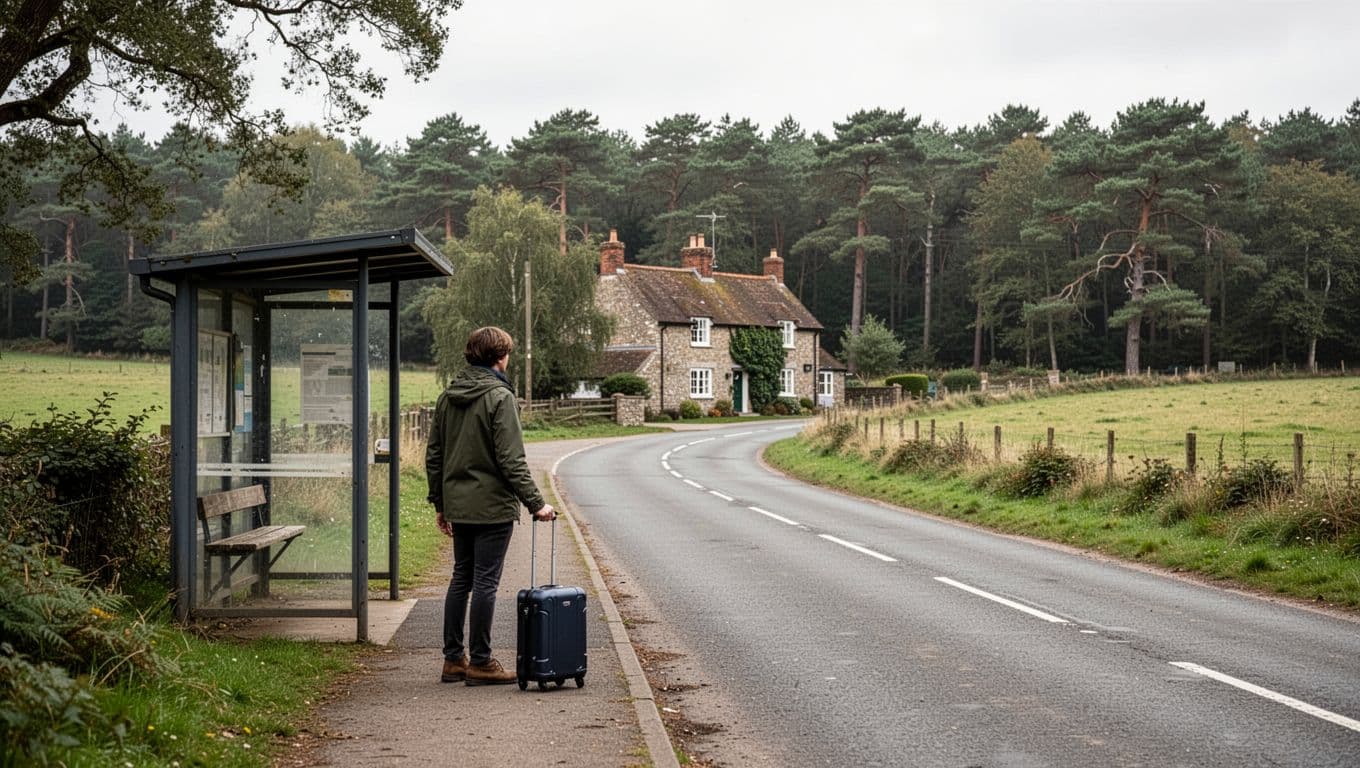
Visitors without a car should choose location over room size. Saving money on a remote hotel can lead to expensive taxis and limited evening options.
Brockenhurst is usually the safest rail-based choice. Lymington can also work, while Lyndhurst makes more sense when bus times match your plans. The seasonal New Forest Tour is useful, but it is not a year-round replacement for a car.
Build Each Day Around One Area
Use rail, local buses, walking, and cycling to focus on one part of the Forest at a time. Trying to see Beaulieu, Burley, and the coast in one day without a car often creates long waits and missed connections.
Check the last return service before booking a restaurant or evening activity. A taxi may be necessary after dark, and rural taxi availability can be limited during busy periods.
Keep Family Plans Simple
Families need a base with realistic travel times. A room that looks cheap may not work if it requires multiple bus changes with pushchairs, luggage, or tired children.
Ask about room occupancy before booking. Don’t assume a double room includes space for a cot, sofa bed, or extra bed. If you are travelling with teenagers, two rooms or a family room may be better value than paying for a last-minute change.
Book Cheap New Forest Hotels Without the Wrong Compromise
The best cheap New Forest hotels aren’t always the lowest-priced properties in a search result. They are the ones that reduce the total cost of the trip without making each day harder.
Use the same dates, guest numbers, and cancellation conditions when comparing options. Then check the hotel’s own website before paying, as direct terms can differ from third-party listings.
Compare the Final Booking Details
Before confirming, check these points in the rate summary:
- Confirm whether breakfast, parking, and taxes are already included.
- Check the exact address and the drive or walk time to your first planned stop.
- Read the cancellation deadline and payment schedule.
- Look at room occupancy rules if children, pets, or extra beds are involved.
- Verify current rates and policies directly with the hotel if anything is unclear.
Prices and availability change quickly around the New Forest. A screenshot from a search result isn’t a booking guarantee.
Match the Stay to Your Trip Style
For couples, a smaller inn or guesthouse can be a practical pick when you want village access and won’t need much parking. Prioritise walkability over a large room.
For families, look first at room layout, breakfast costs, and parking. A slightly higher rate can be cheaper than adding meals, multiple cars, or an extra room later.
For long-drive visitors, a hotel near your arrival route can be the strongest option for the first night. Move closer to the Forest only when it improves the days you actually plan to spend there.
Make the Location Do the Saving
Cheap New Forest hotels work best when the room price and the travel plan support each other. Midweek dates, early booking, a nearby base, and clear parking terms do more for the budget than chasing one low headline rate.
Check the full cost before you pay, then verify current availability and policies directly. A practical base is the saving that lasts through the whole trip.