Cheap Hotels in Quinhagak: Practical Booking Guide
Cheap hotels Quinhagak can be hard to confirm. Compare local lodges, guesthouses, and Bethel stays.
 Sammie O
The Reality of Booking Lodging in Quinhagak
Quinhagak sits along the Kanektok River on the eastern shore of Kuskokwim Bay, roughly 71 air miles southwest of Bethel. You will not find standard commercial chain hotels here. You will not find a Best Western, a Holiday Inn Express, or a budget motel row. Commercial online booking platforms display zero available rooms for this coordinate because independent village properties do not list on global distribution engines.
Finding cheap accommodation in this part of Western Alaska requires understanding the rural infrastructure. Quinhagak is an off-grid Yup’ik community with approximately 700 residents. Roads do not connect Quinhagak to Anchorage, Fairbanks, or Bethel. Everything arrives by cargo plane or summer barge. This isolation keeps operating overhead high and room inventory minimal.
Travelers who reach Quinhagak belong to three primary groups: field contractors working on infrastructure, cultural researchers visiting the Nunalleq archaeological site, and sport anglers targeting silver salmon on the Kanektok River. If you expect a $60 roadside room, adjust your expectations immediately. A simple bed in a village guesthouse costs between $175 and $275 per night. Your cheapest path involves precise coordination with municipal authorities or basing yourself in Bethel and flying in for daytime projects.
Quinhagak Village Lodging Options and Rates
Your choices inside the village boundary consist of small, community-run spaces and shared departmental buildings. Availability shifts from week to week based on visiting construction crews, medical staff, and school district specialists.
- Native Village of Kwinhagak Tribal Guesthouse: The tribal council operates limited rooms for visiting workers and travelers. Nightly rates range from $200 to $250 per bed. Expect basic twin beds, shared bathroom facilities, and communal kitchen spaces. You must bring your own food supplies.
- City of Quinhagak Accommodations: The city municipal office manages temporary beds when space permits. Pricing sits around $175 to $225 per night. Amenities are minimal. You receive clean linens, access to a shower, and electric outlets. Contact the city office weeks ahead to verify if rooms are open.
- Lower Kuskokwim School District (LKSD) Housing: During school breaks or specific district-approved visits, traveling education professionals secure transient rooms through LKSD. These rooms cost between $150 and $200 per night. Access remains restricted to individuals with business related to the local school.
Payment policies at village facilities differ sharply from urban hotels. Most local operations require cash or pre-approved corporate billing purchase orders. Credit card terminals fail when satellite internet drops out. Carry sufficient physical currency to settle your bill upon arrival.
Bethel Commercial Staging Options
Most travelers heading to Quinhagak spend at least one night in Bethel. Bethel sits 71 miles to the northeast and acts as the central transportation hub for the entire Yukon-Kuskokwim Delta. You will find standard commercial hotel operations in Bethel, though rates reflect the high cost of subarctic commerce.
- Long House Bethel Hotel: Located on Chief Eddie Hoffman Highway, 2 miles from Bethel Airport (BET). Nightly rates run from $260 to $340. The hotel offers private bathrooms, standard television, Wi-Fi access, and on-site coffee. Rooms fill rapidly during court sessions and regional council conferences.
- Bentley’s Bed and Breakfast: Situated near the small boat harbor in central Bethel, 3 miles from the airport. Nightly rates range from $220 to $290. This property provides full kitchens, breakfast items in your room, and high-speed internet. It serves as one of the best budget values in town for longer stays.
- Alaska Suites: Located on Ridgecrest Drive, 2.5 miles from the airport. Rates sit between $250 and $320 per night. These apartment-style units feature kitchenettes, quiet residential surroundings, and direct booking management. Cooking your own meals here saves substantial money compared to dining at Bethel restaurants.
- Suite 217: Centrally located in downtown Bethel. Rates range from $230 to $280 per night. Rooms include private bathrooms, modern furnishings, and proximity to local grocery stores.
Bethel hotels do not charge parking fees because rental cars are scarce. Taxis serve the entire Bethel town road system for flat fees of $5 to $10 per drop depending on the zone. Many hotels offer intermittent airport pickup shuttles, but you must confirm this service by telephone on your arrival morning.
Commercial Angling Lodges Versus Budget Independence
The Kanektok River hosts world-class runs of king, chum, pink, and coho salmon, alongside leopard rainbow trout and dolly varden. High-end fishing lodges operate outside the main village boundary along the riverbanks during peak summer months.
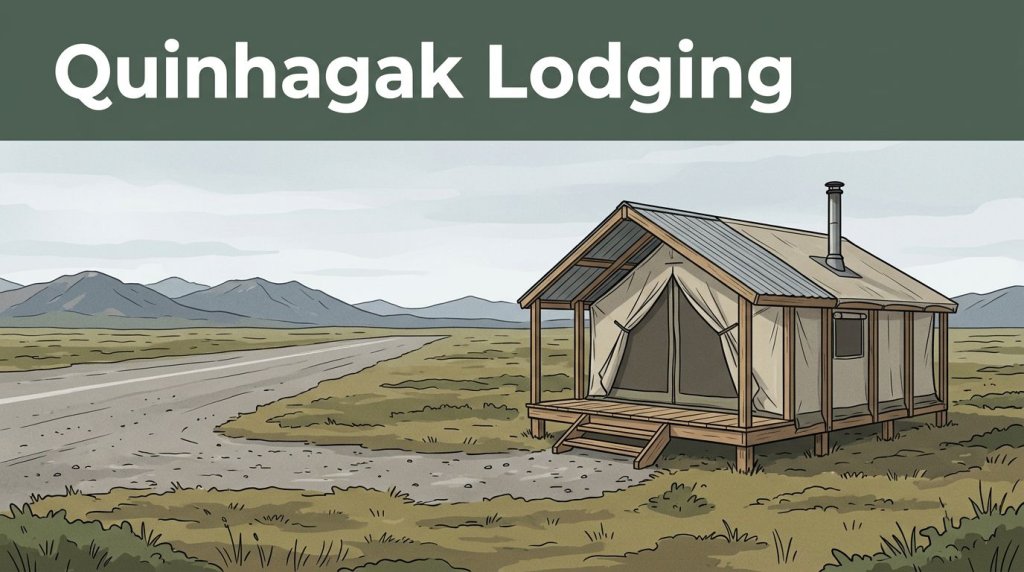
Properties such as Alaska West Camp set up large, heated tent-cabin compounds with professional guides, jet boats, and private chefs. These operations run all-inclusive packages costing between $6,000 and $11,000 per person per week. They transport their guests directly from Bethel via charter flights and bypass municipal lodging.
If you travel on an independent budget, do not attempt to book space at these fishing lodges for single-night accommodation. They sell exclusively full-week packages booked months or years in advance. Independent travelers must secure beds inside the town limits through tribal or municipal contacts and arrange boat drop-offs directly with local boat captains at the village boat launch.
Regional Flights and Travel Logistics
Reaching Quinhagak requires a two-step flight path from Anchorage. You first book a mainline commercial flight from Anchorage (ANC) to Bethel (BET) on Alaska Airlines. Round-trip flights on this segment cost between $350 and $600 depending on advance purchase windows.
From Bethel, you transfer to a scheduled regional bush carrier flying small turboprop aircraft directly into Quinhagak Airport (KWN).
- Grant Aviation: Operates multiple daily flights between Bethel and Quinhagak using Cessna 208 Grand Caravans or Piper Navajos. Round-trip fares range from $240 to $320. Flight duration lasts roughly 35 to 45 minutes.
- Ryan Air: Provides regular passenger and freight runs across the delta. Rates match standard regional averages of $120 to $160 one-way. Ryan Air handles large freight shipments if you must send gear ahead of your arrival.
- Charter Operators: Yute Commuter Service and Fox Air provide on-demand charter flights across the region when scheduled seats sell out. Charters charge hourly airplane rates starting around $800 to $1,200 per flight leg.
Quinhagak Airport features a 4,000-foot gravel runway. It lacks an indoor commercial terminal building with ticketing desks. When your plane touches down, a village resident or your lodging host will meet you on the gravel apron if you arranged transport. Otherwise, prepare to walk with your luggage into the village center, which sits one mile west of the airstrip.
Tribal Protocols and Visitor Permits
Quinhagak is an incorporated city located within the traditional homelands of Yup’ik people. Private land outside the immediate town footprint belongs to the Qanirtuuq, Inc. village corporation or the Native Village of Kwinhagak tribal government.
Before you finalize your lodging reservations, complete these practical steps:
- Contact the Native Village of Kwinhagak: Call the tribal office at 907-556-8165. Explain the exact dates of your visit, your lodging arrangements, and the purpose of your trip.
- Secure Land Access Permits: If you intend to hike, camp, fish independently, or conduct field research outside the municipal boundary, purchase a land use permit from Qanirtuuq, Inc. Permit fees range from $50 to $200 depending on your activity.
- Confirm Local Check-In Locations: Ask your lodging contact where to collect keys upon arrival. Small village facilities do not operate 24-hour reception desks. If nobody meets the afternoon flight, you will find locked doors.
- Observe Alcohol Restrictions: Quinhagak operates under local option laws that ban the sale and importation of alcohol. Bringing alcohol into the village without specific legal clearances constitutes a severe violation of local and state law. Respect the dry status of the community entirely.
Food Costs, Dining Realities, and Kitchen Access
Quinhagak has no commercial restaurants, fast-food franchises, or coffee shops. If you stay in local accommodations, you must prepare your own meals. Budgeting for food requires realistic price calculations.
The local Qanirtuuq Native Store carries shelf-stable dry goods, canned food, frozen meats, bread, milk, and basic household items. Because every ounce of inventory flies into the village, retail prices reflect immense freight expenses:
- One gallon of milk: $12 to $16
- One loaf of sandwich bread: $6 to $9
- One dozen eggs: $7 to $11
- Frozen ground beef: $9 to $14 per pound
- Ground coffee (12 oz bag): $14 to $20
To keep trip expenses low, pack an insulated cooler or sturdy plastic tote box as your checked baggage in Anchorage. Fill it with dry goods, cheese, cured meats, shelf-stable meals, and favorite snacks purchased at Anchorage supermarkets. Bethel has larger stores like the AC Value Center and Swanson’s, but prices there run 40 to 60 percent higher than Anchorage. Quinhagak prices run higher still.
Confirm that your lodging accommodation includes a working stove, microwave, and refrigerator. Bring your own basic seasonings, coffee filters, and a camp mug, as village kitchens often lack complete cooking sets.
Baggage Rules, Freight Limits, and Weather Delays
Regional bush airlines enforce strict baggage weight limits due to aircraft balance calculations on small planes. Grant Aviation and Ryan Air allocate between 40 and 50 pounds of checked baggage per passenger ticket. Excess baggage incurs fees of $0.80 to $1.25 per pound. If an aircraft reaches maximum gross takeoff weight, the carrier leaves extra bags in Bethel for the next available flight.
Weather on the Bering Sea coast changes instantly. Dense coastal fog, freezing rain, and high wind conditions ground small aircraft for days at a time. The Federal Aviation Administration operates automated weather reporting in Quinhagak, but visual flight rules frequently prevent planes from landing.
Follow these operational rules when planning your stay:
- Add Buffer Days to Your Schedule: Never schedule your return flight from Bethel to Anchorage on the same morning you plan to leave Quinhagak. Build a 24-hour buffer in Bethel to absorb fog delays.
- Carry Essential Medications in Hand Luggage: Keep prescription drugs, warm layers, satellite messengers, and charging gear in your small personal backpack. If your main duffle stays behind in Bethel, you still have critical necessities.
- Track Flight Status by Phone: Regional airline smartphone apps do not provide real-time updates for small rural runways. Call the local Bethel dispatch terminal directly to ask about pilot flight plans and incoming planes.
Booking Schedules: Peak Versus Off-Peak Windows
The calendar year in Quinhagak breaks down into three distinct travel periods. Lodging availability and prices shift based on daylight, temperatures, and wildlife runs.
- Summer Season (June through August): Temperatures average 50 to 65 degrees Fahrenheit. This period brings peak activity for archaeology teams, construction contractors, and sport fishermen. Village beds sell out months in advance. Book your accommodation by February or March if you plan a summer trip.
- Fall Coho Run and Subsistence Period (Late August to October): Silver salmon run up the Kanektok River, and local residents participate in intensive moose and seal hunting. Rain and wind increase significantly. Guesthouses see steady turnover among government workers. Book at least eight weeks ahead.
- Winter and Spring Freeze (November through May): Sub-zero temperatures, snow, and ice cover the delta. Travel drops substantially, but heating costs peak. Lodgings stay open with reduced capacity. You find open rooms on shorter notice, but local activities require snowmachines, heavy cold-weather survival gear, and local guides.
Packing Essentials for Quinhagak Lodging
Village guesthouses offer shelter, but they do not provide luxury amenities. Pack these items to ensure comfort during your stay:
- Compact Sleeping Bag or Travel Sheet: While beds come with clean blankets, bringing a lightweight 40-degree sleeping bag or silk sleep liner guarantees warmth and personal comfort in variable conditions.
- Indoor Slip-On Footwear: Yup’ik households and public guesthouses maintain strict rules against wearing outdoor boots indoors. Gravel, mud, and snow stay outside. Bring clean indoor crocs, slippers, or running shoes for moving inside the lodging building.
- Heavy-Duty Power Strip and Battery Packs: Wall outlets in older village accommodations are sparse. A portable power bank and small power strip let you charge cameras, phones, and satellite devices simultaneously.
- Satellite Communication Device: Cellular service in Quinhagak operates via GCI. Other major national carriers like Verizon or AT&T will show zero reception or intermittent roaming. Carry a Garmin inReach or similar satellite tracker for independent communication outside village Wi-Fi zones.
- Water Filtration Bottle: The City of Quinhagak operates a municipal water treatment plant, but pipe maintenance issues occur. A personal purification bottle ensures clean drinking water anywhere you travel in the delta.
- Cash Stash: Carry between $300 and $600 in physical cash divided into smaller twenties and tens. You will need cash for local ATV rides, artisan carvings, private boat shuttles, and village store transactions when card networks fail.
Alternative Staging Hubs in the Kuskokwim Delta
If village housing in Quinhagak is full and Bethel hotels exceed your budget limits, look at regional alternatives to assemble your itinerary.
- Dillingham (DLG): Located 140 miles southeast across the Bristol Bay watershed. Dillingham offers standard hotels such as the Bristol Inn, with rates around $200 to $275 per night. Flying from Dillingham to Quinhagak requires private air charters across the Wood-Tikchik lakes region, making this route expensive unless you travel as a coordinated group.
- Aniak (ANI): Located 130 miles up the Kuskokwim River from Bethel. Aniak features small guesthouses catering to upriver river travelers. It does not provide direct air routes to Quinhagak, requiring a connection back through Bethel.
- Platinum (PTU): Sits 40 miles south of Quinhagak along Goodnews Bay. Platinum operates small community housing options for miners and contractors. Local boat transfers between Platinum and Quinhagak operate in calm summer waters, but open-ocean swell across Kuskokwim Bay makes marine travel unpredictable. Stick to air travel through Bethel for reliable access.
Step-by-Step Booking Checklist for Independent Travelers
Execute your travel planning in this exact chronological order to prevent unrecoverable expenses:
- Step 1: Contact the Native Village of Kwinhagak tribal office and the City of Quinhagak to confirm open bed dates in municipal or tribal housing.
- Step 2: Obtain written or verbal confirmation from your on-site lodging manager before purchasing any airline tickets.
- Step 3: Book your mainline flight from Anchorage to Bethel on Alaska Airlines.
- Step 4: Reserve your connecting commuter flight from Bethel to Quinhagak with Grant Aviation or Ryan Air, ensuring at least a two-hour connection window in Bethel.
- Step 5: Book a backup hotel room in Bethel for your return journey to guard against weather delays. Confirm the hotel’s cancellation policy for weather-related flight cancellations.
- Step 6: Withdraw sufficient cash in Anchorage or Bethel before flying out to the village.
- Step 7: Pack an insulated food container to cover all your meals for the duration of your stay.
- Step 8: Reconfirm your flight departure time with the Bethel air terminal two hours before your scheduled takeoff.
Independent travel to Quinhagak demands advance preparation, direct communication with local authorities, and total self-reliance. When you coordinate lodging directly with village offices and secure your Bethel transit links early, you eliminate booking failures and control overall costs across Western Alaska.

Sammie O publishes Germ Trips, a travel guide covering hotels, restaurants, airport transfers and chauffeur services. The guides aim for practical detail and a clear recommendation rather than an undifferentiated list. Where a town has no good option, the guides say so and point to the nearest one that does. Guides are AI drafted. A small number have been checked against official listings, and those say so on the page.
View All Articles