Where to Stay in Birmingham for First-Time Visitors
Where to stay in Birmingham for first-time visitors: compare City Centre, Jewellery Quarter, Brindleyplace, Digbeth, and Edgbaston.
 Sammie O
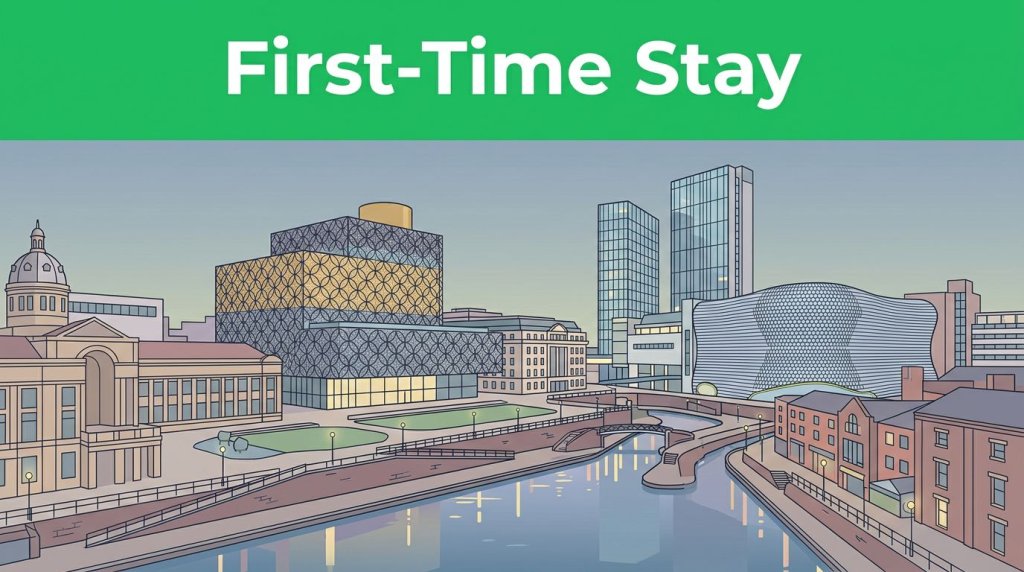
Picking the wrong base in Birmingham can add friction to a short trip. Pick the right one, and the city feels compact and easy.
Compare Birmingham hotels on Expedia
For first-time visitors, the City Centre is the default. It puts trains, shopping, restaurants, and the main sights within easy reach. Use this guide to match the area to your trip style, not just the room rate.
Do you want the cleanest logistics, or the best streetscape? That is the real choice. Some districts give you speed. Others give you atmosphere. The trade-off is simple once you know the map.
Table of Contents
- The Quick Answer for First-Time Visitors
- Where to Stay in Birmingham at a Glance
- City Centre: The Easiest First-Time Base
- Jewellery Quarter: Character Without Losing Access
- Brindleyplace: Calm Canals and Easy Stays
- Digbeth: Best for Nightlife and Street Art
- Edgbaston: Quieter and More Residential
- Chinatown and the Arcadian: Best for Food and Short Stays
- How to Choose the Right Area
- Conclusion
- FAQ
The Quick Answer for First-Time Visitors
If you want one answer, book the City Centre. It is the easiest base for a first trip, and it cuts down on transit, planning, and guesswork.
Choose the Jewellery Quarter if you want more character without giving up access. Choose Brindleyplace if you want canals, quieter evenings, and polished hotels. Choose Digbeth if nightlife and street art matter more than a perfect streetscape. Choose Edgbaston if you want a calmer, more residential stay.
For a broader city overview, Visit Birmingham’s where to stay guide follows the same basic logic.
If you only book one thing right, book close to New Street or the Bullring. That choice saves time on every part of the trip.
Where to Stay in Birmingham at a Glance
Use this table when you want the fast decision. The ranges are broad, but the trade-offs are accurate.
| Area | Best for | Typical hotel style and price | Transport | Walkability | Nearby attractions |
|---|---|---|---|---|---|
| City Centre | First-timers who want the simplest base | Chain hotels, aparthotels, and upscale options, often £90 to £220+ | Best rail access in the city | Very high | Bullring, New Street, Victoria Square, canals |
| Jewellery Quarter | Visitors who want character and a calmer feel | Boutique stays, serviced apartments, mid-range to upscale, often £100 to £200+ | Snow Hill nearby, easy walk to central stations | High | St Paul’s Square, Museum of the Jewellery Quarter, independent bars |
| Brindleyplace | Couples, business trips, and calm canalside stays | Mid-range to upscale hotels, often £110 to £230+ | Easy walk from the centre, strong tram and rail access nearby | High | Canals, Ikon Gallery, Arena Birmingham, Sea Life Centre |
| Digbeth | Nightlife, street art, and a more local feel | Budget to mid-range, a few newer aparthotels, often £80 to £170 | Close to Moor Street, New Street, and the Coach Station | Moderate to high | Custard Factory, live venues, street art |
| Edgbaston | Quiet stays, longer visits, and family trips | Mid-range hotels and guesthouses, often £90 to £180 | Better by bus, taxi, or car | Lower | Botanical Gardens, Edgbaston Cricket Ground, university area |
| Chinatown and the Arcadian | Food, short stays, and late-night convenience | Compact budget to mid-range hotels, often £85 to £180 | Very close to New Street and the Bullring | Very high | Hippodrome, restaurants, Arcadian nightlife |
The City Centre wins on convenience. The Jewellery Quarter wins on feel. The rest are trade-offs that make sense for specific trips.
City Centre: The Easiest First-Time Base
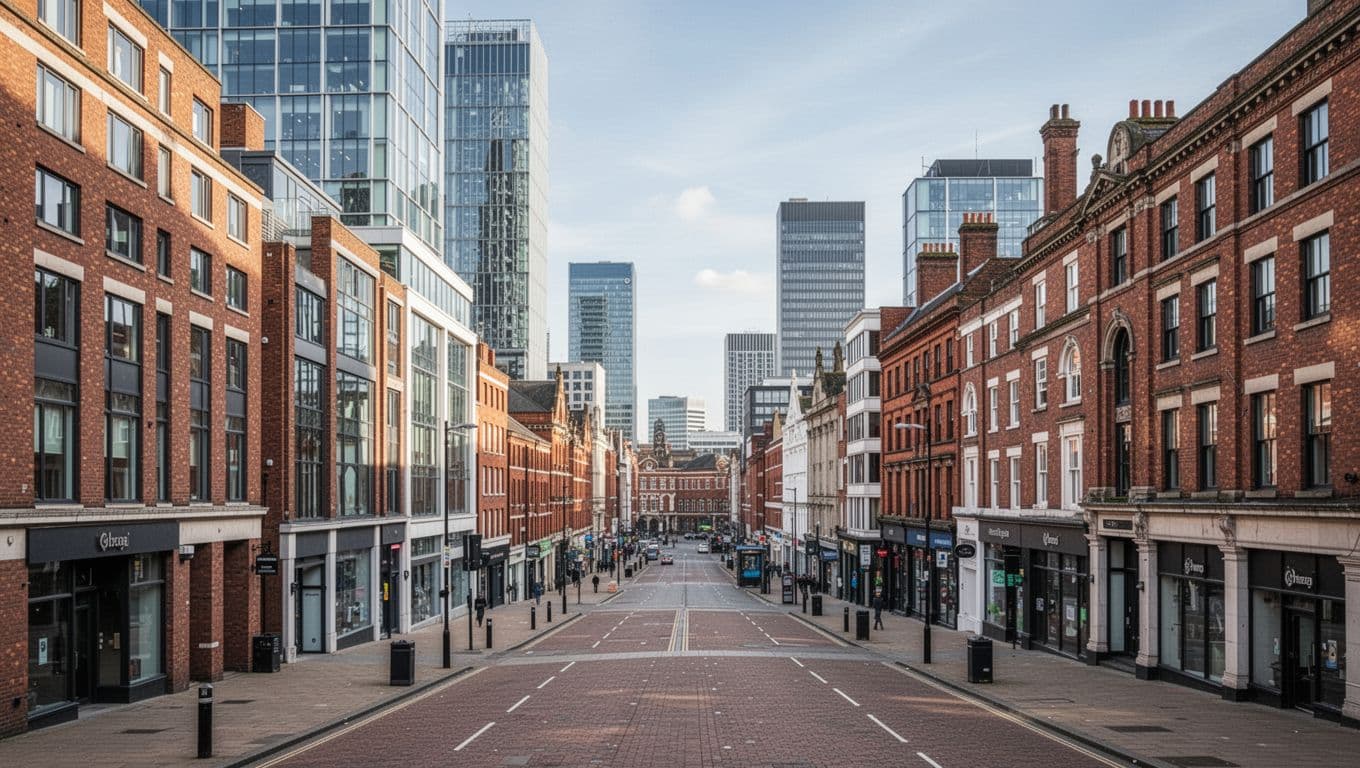
This is the safest default. If this is your first Birmingham trip, stay here and remove the guesswork.
The hotel mix is broad. You get standard chain hotels, aparthotels, and a few higher-end options. Budget rooms do exist, but event nights can push prices up fast. If you are booking on a match day, a concert weekend, or summer school holiday dates, expect the rates to move.
Transport is the strongest in the city. New Street, Moor Street, and Snow Hill are close. That means trains, trams, and short walks all work in your favor. You can also reach most central sights without thinking about a taxi.
Walkability is the real advantage. The Bullring, Grand Central, Victoria Square, and the canal network are all close enough for easy movement. If you like to check in and start exploring on foot, this area works.
Use the city centre if you are arriving late, leaving early, or staying only one or two nights. It is the lowest-friction choice.
Jewellery Quarter: Character Without Losing Access
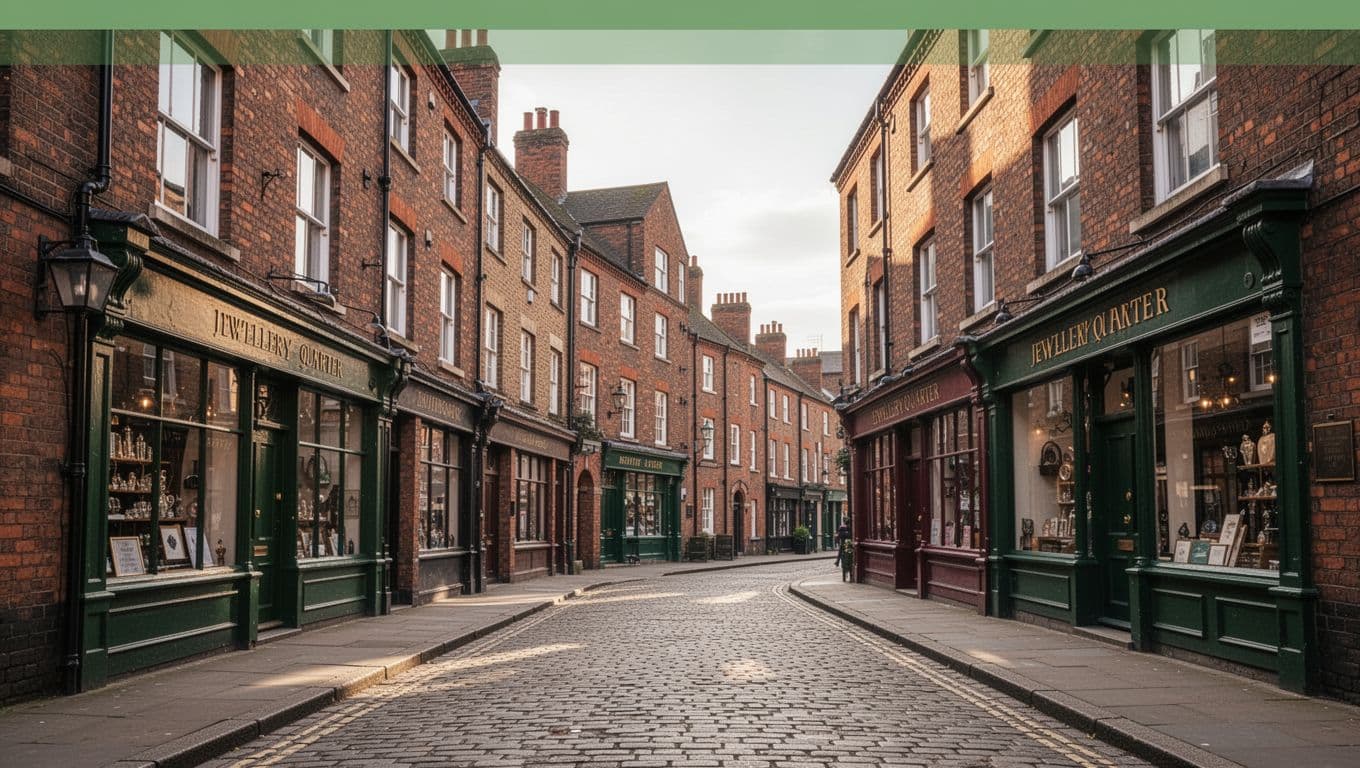
The Jewellery Quarter gives you more texture. Red brick, older buildings, and independent places to eat give the area a better street feel than the main core.
It works best for travelers who want a bit more personality. Couples like it. Solo visitors like it. Anyone who wants to sleep in a quieter district, then walk into the centre during the day, also likes it.
The stay mix leans boutique and mid-range. You will also find serviced apartments, which help if you want more space or a small kitchen. Prices are usually a little more stable here than in the busiest city-centre blocks, although weekends can still move.
Snow Hill is the main rail link to keep in mind. From many parts of the quarter, you can walk into the city centre in 10 to 15 minutes. That is the key point. You get atmosphere without giving up access.
Nearby, look for St Paul’s Square, the Museum of the Jewellery Quarter, and a good spread of pubs, cafes, and restaurants. If Birmingham is a map, this is the district that gives the map some shape.
Brindleyplace: Calm Canals and Easy Stays
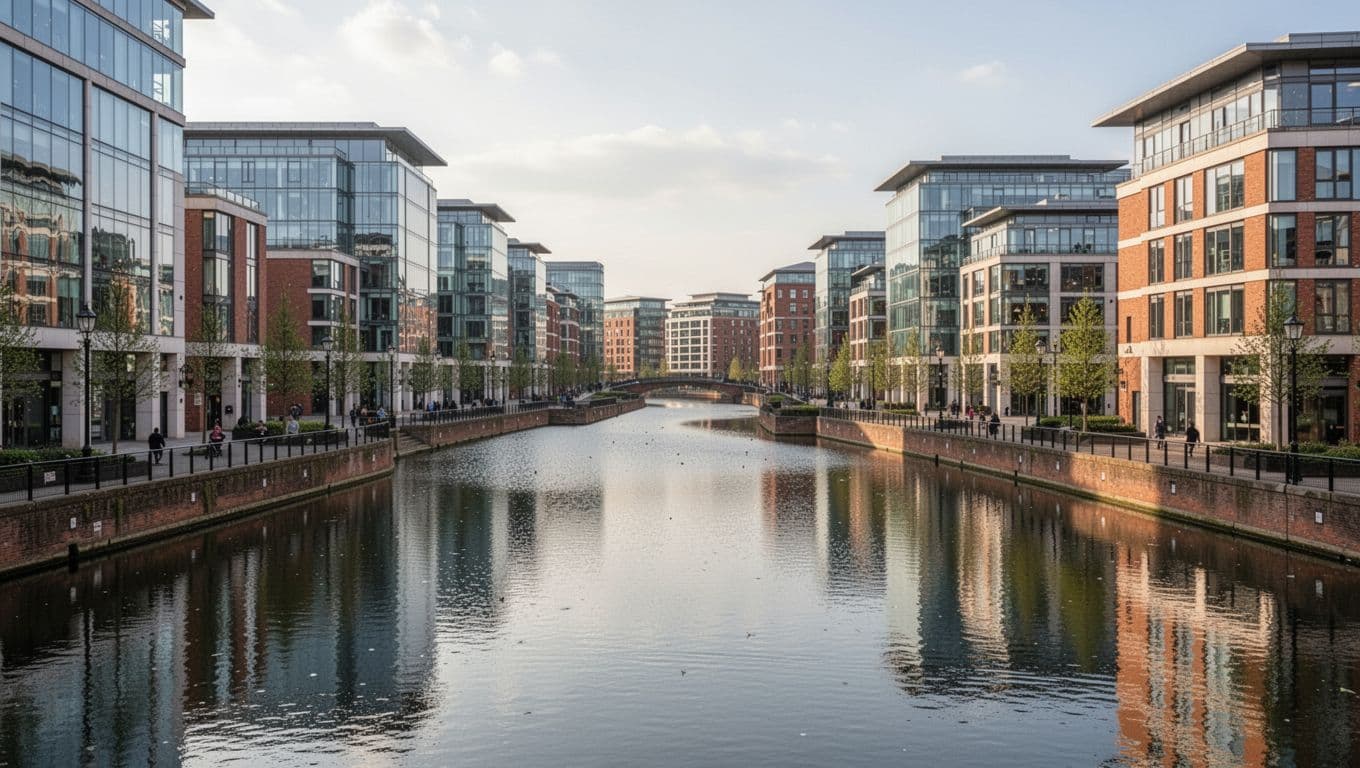
Brindleyplace is the best canalside pick if you want a cleaner, calmer stay. It sits close to the centre, but it feels less hectic after dark.
The hotel mix here is strong on mid-range and upscale properties. A lot of the stock works well for business trips, conferences, and short leisure stays. If you want a reliable room, this area gives you that. Weekend rates can also be decent when the business crowd thins out.
Walkability is good. You can reach the central shopping and rail areas without much effort. The canals make the walks more pleasant than practical, which is a nice change after a day in the city.
This area suits couples, families, and visitors who want a more polished base. It also works well if you plan to see Arena Birmingham, Ikon Gallery, or the Sea Life Centre. The nearby water is part of the appeal, but the bigger win is that you still stay close to everything that matters.
If you want convenience without the busiest streets, Brindleyplace is one of the strongest answers.
Digbeth: Best for Nightlife and Street Art
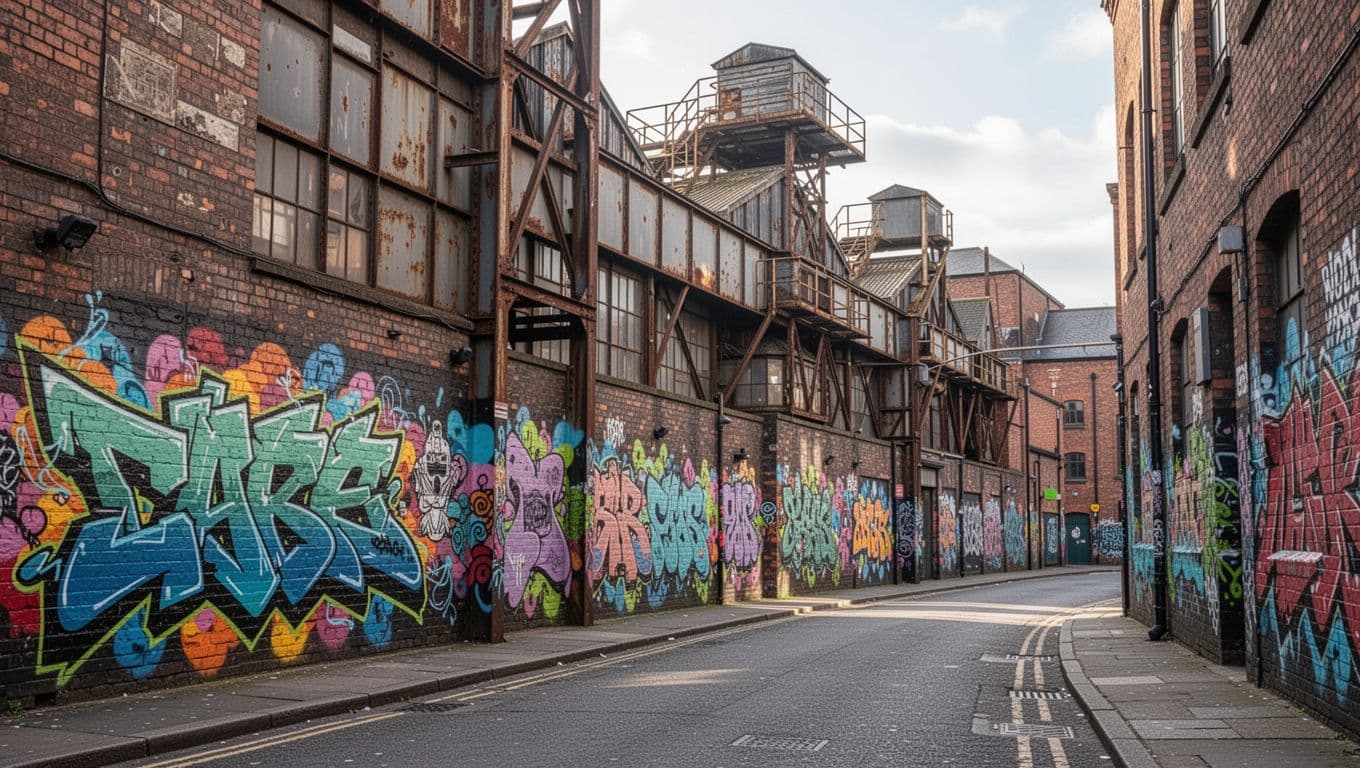
Digbeth is for travelers who want the city to feel alive. Street art, music venues, food spots, and a looser local feel are the draw.
The hotel stock is more mixed than in the centre. You get budget and mid-range options, plus a few newer aparthotels. You get fewer polished luxury choices. That matters if you are expecting the same hotel pattern you would see in a major business district. Digbeth is more uneven, but that is part of its appeal.
Transport is still good. Moor Street and New Street are nearby, and Birmingham Coach Station sits close as well. Walkability into the centre is strong. The immediate streets, however, feel rougher and less tidy than the city centre or Brindleyplace.
Use Digbeth if you care more about atmosphere than a perfect front door. It is a smart base for live music, late food, and a more creative trip. For a broader view of the neighborhoods, Visit Birmingham’s guide to the different areas of Birmingham is a useful map.
Nearby, the Custard Factory is the obvious anchor. Add street art, food markets, and live venues, and you have the core reason people stay here.
Edgbaston: Quieter and More Residential
Edgbaston is the quieter play. It gives you more space, more greenery, and fewer late-night crowds.
This area works best for longer stays, family trips, visitors with a car, and anyone who wants a slower return after dinner. The hotel mix is mostly mid-range, with some guesthouses and apartment-style options. If you are looking for the same level of central convenience, this is not it. If you want a more relaxed base, it fits.
Transport is fine, but it is not the strongest. You will likely use buses, taxis, or a short ride into the centre. That is the trade-off. You give up walk-everywhere convenience, and you gain a calmer place to sleep.
Edgbaston also makes sense if you plan to visit the Botanical Gardens or Edgbaston Cricket Ground. It feels more residential than tourist-heavy. That can be a good thing if you want a slower pace and fewer crowds around your hotel door.
For a broader take on neighborhoods, The Hotel Guru’s Birmingham guide also places Edgbaston in the quieter category.
Chinatown and the Arcadian: Best for Food and Short Stays
Chinatown and the Arcadian are small, but they solve a specific problem. You want food, nightlife, and a central location without walking far.
The area sits close to New Street and the Bullring. That makes it one of the easiest short-stay choices in the city. If you are in Birmingham for one night, or if you plan to eat out a lot, this spot saves time.
The hotel mix is compact. Expect budget to mid-range options more than large luxury hotels. The draw is location, not space. That is fine for many visitors. If you will spend most of the day out, the area does its job.
The nearby Hippodrome is a big plus. So are the restaurants and late-night venues around the Arcadian. If food matters to you, this area feels efficient. If quiet matters more, skip it and move one block further out.
How to Choose the Right Area
If you still feel stuck, use this filter.
- City Centre works best if you want the simplest arrival, the best transport, and the broadest hotel choice.
- Jewellery Quarter works best if you want more character and a quieter night without leaving the core.
- Brindleyplace works best if you want canalside walks, cleaner streets, and a polished hotel base.
- Digbeth works best if you care about nightlife, street art, and a more local energy.
- Edgbaston works best if you want space, calm, and a more residential feel.
That is the decision tree in plain language. Start with your daily rhythm, then pick the area that matches it.
Conclusion
Birmingham is easy to get wrong only if you overthink it. For a first trip, the City Centre is the cleanest answer because it keeps everything close.
If you want more atmosphere, move outward in a controlled way. The Jewellery Quarter gives you character. Brindleyplace gives you calm. Digbeth gives you energy. Edgbaston gives you space.
Pick the area that matches how you move through a city. That is the choice that makes the stay feel smooth from the start.
FAQ
What is the best area to stay in Birmingham for first-time visitors?
The City Centre is the best overall choice. It is the easiest place to stay if you want quick access to trains, shopping, restaurants, and the main attractions. It also makes short stays simpler, since you spend less time moving around.
Is Birmingham city centre walkable?
Yes. The city centre is the most walkable part of Birmingham for visitors. Most first-time sights sit close together, and the main rail stations are within easy reach. If you want to skip taxis and keep the trip simple, this is the strongest base.
Is the Jewellery Quarter better than the city centre?
It depends on your trip. The Jewellery Quarter is better if you want more character, better streets, and a quieter evening feel. The city centre is better if you want the easiest logistics and the widest hotel choice. For many first-time visitors, the city centre still wins.
Where should I stay in Birmingham if I want nightlife?
Digbeth is the best fit for nightlife and late bars. Chinatown and the Arcadian also work well if you want food and evening activity close to New Street. Both areas keep you near the centre, which helps after a late night out.
Can I stay in Edgbaston without a car?
Yes, you can. It is workable by bus, taxi, or a short ride into the centre. Still, Edgbaston is easier if you have a car or if you do not mind being a bit farther from the main action.
Compare places to stay in Birmingham
Live prices and availability on Expedia, for the dates you choose.
Check hotel prices →Booking is handled by Expedia. We may earn a commission, at no extra cost to you.

Sammie O publishes Germ Trips, a travel guide covering hotels, restaurants, airport transfers and chauffeur services. The guides aim for practical detail and a clear recommendation rather than an undifferentiated list. Where a town has no good option, the guides say so and point to the nearest one that does. Guides are AI drafted. A small number have been checked against official listings, and those say so on the page.
View All Articles